5 common furniture layout mistakes and how to avoid them
Pushing furniture against the walls, ignoring walking paths, pieces that are too big and other mistakes that keep recurring — and how to avoid them before you buy.
Good furniture layout does not depend on how expensive the pieces are but on their size and position. These are the mistakes we see most often in homes and offices, and how to avoid them.
1. Pushing every piece against the walls
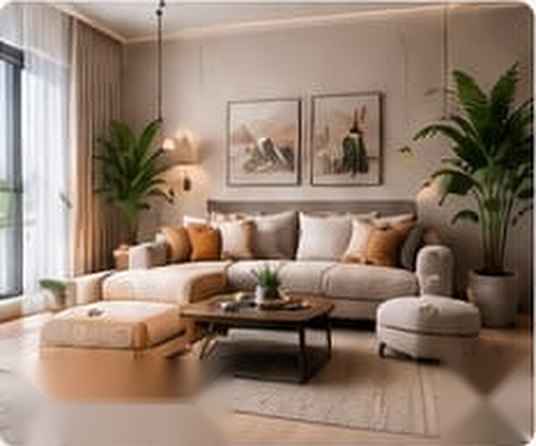
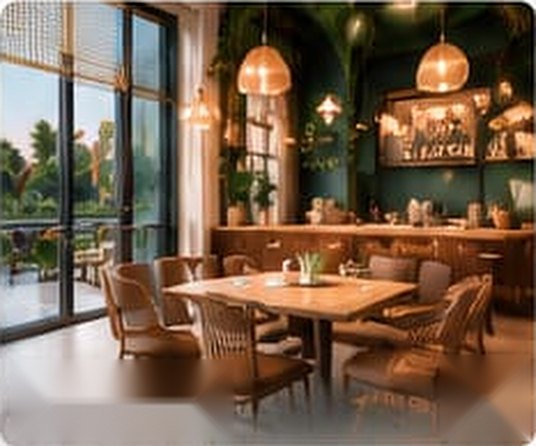
Leaving the middle empty looks like a safe solution, but it makes the room feel like a waiting hall and keeps the people sitting far from each other. In large living rooms, pull the seating a little away from the wall and let the sofas and chairs face each other around a table, so conversation is easier and the place feels warmer.
2. Ignoring walking paths
Furniture must not obstruct walking. Leave a path of at least 80 cm in the main corridors, and a suitable distance between the sofa and the coffee table that lets you sit and stand comfortably. Draw the path from the door to each part of the room before fixing the position of any piece.
3. Choosing pieces that are too big for the space
A huge corner sofa in a small room swallows the place. Measure the room and the piece together, and put masking tape on the floor in the size of the piece before buying to picture its real size, and also check the width of the doors and lifts it will pass through.
4. Neglecting light and electrical points
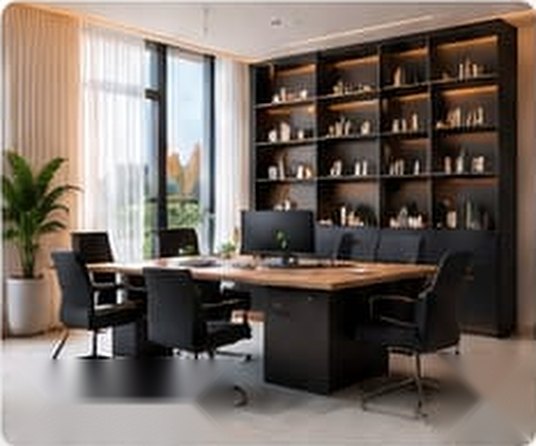
The position of a piece is also set by window light, power outlets and air-conditioning. Placing a desk or a sofa in front of a light source or directly under an air-conditioning outlet causes a daily annoyance nobody notices at design time.
5. No focal point
Every room needs an element that draws the eye: a feature wall, a bookcase, a painting or a window with a view. Arranging the pieces around that point gives the room an identity instead of looking like a collection of scattered pieces.
The practical solution: start with a simple plan using the real measurements, and try more than one arrangement on paper before you buy or execute.
Note: this article is general information for awareness in interior design and does not replace seeing the place and studying its condition. Colours, materials and costs differ from one project to another.